

Why Daily Movement Matters, Especially If You’re Overweight
Regular everyday movement is often underestimated, yet activities like walking, housework, and cycling significantly improve long-term health. Overweight individuals may find exercise more challenging due to pain or limited mobility, but even small changes can make a big difference. You don’t need hours of training — just a few simple habits that help you move more throughout the day.
1. BMI Over 30? Walk for 15 Minutes a Day
Every step counts. A simple 15-minute walk can boost your metabolism and support fat burning. Try getting off the bus one stop early, doing your shopping on foot, or taking a short walk during your lunch break. If you can add another 15 minutes later in the day, even better. A pedometer or fitness tracker can help you monitor your progress and stay motivated.
2. Climbing Stairs Helps Improve Fitness
Skip the elevator and take the stairs whenever you can. Stair climbing strengthens the cardiovascular system, improves oxygen supply, and activates major muscle groups. Just 7–8 minutes of brisk stair climbing daily can reduce the risk of heart disease by around 20%. Depending on your pace, 15 minutes can burn 120–180 calories and support better muscle function.
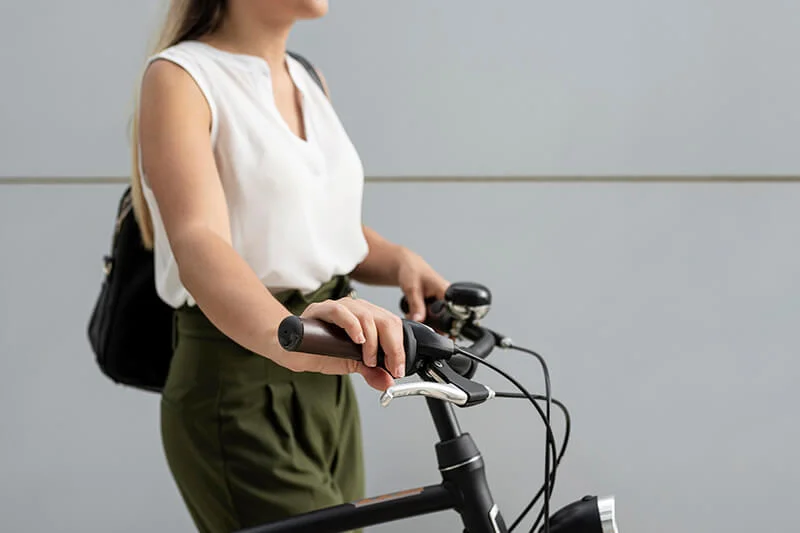
3. Cycling Supports Weight Loss and Heart Health
Cycling is a joint-friendly activity that helps burn calories while improving circulation. Even a quick 10-minute ride can burn nearly 100 calories. Using your bike for errands or short trips increases daily movement without requiring extra time. Because the saddle supports much of your body weight, cycling is especially suitable for people who are overweight.
4. Use Every Small Moment to Stay Active
Waiting time doesn’t have to be wasted time. Do a few squats while waiting for food to cook, stretch while waiting for the bus, or use commercial breaks for quick core exercises. Even simple habits like standing on one leg while brushing your teeth help activate muscles and improve balance.
5. Try the Pomodoro Technique or Tabata Training
If you sit for long periods, try the Pomodoro technique: 25 minutes of work followed by a 5-minute movement break. Short bursts of activity — like squats or jumping jacks — improve circulation and boost energy. You can also try Tabata, a high-intensity 4-minute interval workout that burns fat and builds muscle at the same time.
6. Break Up Long Sitting Periods
Sitting for extended periods is linked to poor health outcomes. Stand up frequently, take mini-walks during phone calls, or switch between different seating options to keep your body active. Even brief movement breaks after meals help lower blood sugar levels, which is especially important for individuals with a high BMI.
7. A Dog Can Help You Move More
If you enjoy animals, getting a dog can increase your daily activity naturally. Studies show that dog owners walk at least 30 minutes more per week than people without pets. If a dog isn’t an option, consider joining a hiking group or exploring nearby parks with friends or family. Activities like hiking strengthen balance, endurance, and overall mobility.


