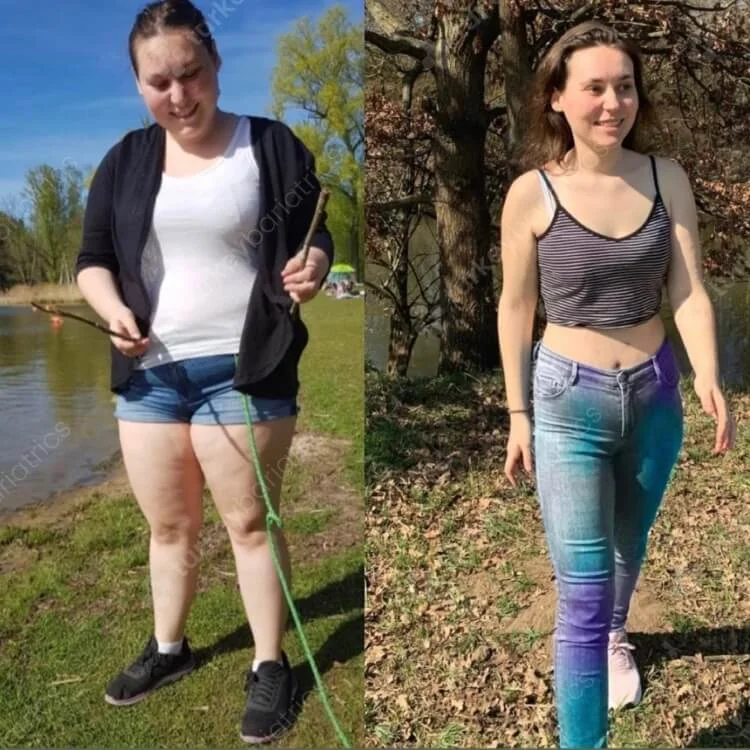
Gastric Bypass Surgery in Turkey
Gastric bypass surgery, also known as the Roux-en-Y gastric bypass, is one of the most established procedures in weight loss surgery and is often chosen alongside gastric sleeve surgery. The operation works by altering the digestive system: a small pouch is created in the stomach and then connected directly to the small intestine. As a result, patients eat much less food and absorb fewer calories from meals.
This procedure is especially effective in individuals with type 2 diabetes and gastroesophageal reflux disease (GERD), offering significant metabolic and symptomatic improvement. If you are considering a gastric bypass surgery in Turkey, you are welcome to request a free and non-binding consultation. Our team will be pleased to assist you and answer all your questions.
Candidates for Gastric Bypass Surgery in Turkey
To be eligible for a gastric bypass surgery in Turkey, most patients are required to have a BMI of 35 or above. However, individuals with a BMI below 35 may also qualify if they suffer from serious obesity-related conditions such as type 2 diabetes, high blood pressure or severe sleep apnoea. These medical issues often make gastric bypass a more suitable option than other procedures.
Candidates must also be prepared to make permanent lifestyle changes following surgery, including long-term adjustments to diet and physical activity. Gastric bypass is often recommended when previous attempts at weight loss through diet and exercise have not been successful. It may also be the preferred procedure for patients with uncontrolled type 2 diabetes or severe GERD.
Benefits and Advantages of Gastric Bypass Surgery
A gastric bypass surgery in Turkey is generally more effective in terms of weight loss than gastric sleeve surgery. On average, patients can lose 70–80% of their excess weight within the first year, and many achieve even greater results when they adopt consistent lifestyle changes. Unlike a gastric band, gastric bypass does not involve placing a foreign object inside the body.
Beyond weight loss, gastric bypass offers several health benefits, including improvements in type 2 diabetes, GERD, high cholesterol, high blood pressure, obstructive sleep apnoea and asthma. Many patients also experience relief from back, knee and joint pain, and a reduced risk of developing venous thromboembolic conditions such as leg swelling.

Recovery and Nutrition After Gastric Bypass Surgery
The surgery typically takes 2–3 hours, and most patients are encouraged to begin walking within 6–8 hours after the operation. Mild discomfort is normal but is easily managed with prescribed medication. Light walking in your room or hospital corridor is especially important for preventing bloating and reducing flatulence caused by the harmless gas used during surgery.
A leak test is performed the day after the operation, and once completed, you can start consuming fluids. Before being discharged, you will receive detailed guidance on nutrition, lifestyle adjustments and postoperative care. Most patients are discharged after two nights in hospital and can return to work after one week, provided their job does not require significant physical effort.
Risks and Complications of Gastric Bypass Surgery
As with all surgical procedures, gastric bypass surgery carries certain risks. Because it is a more complex operation than other weight loss procedures, the likelihood of complications can be higher. Early risks include bleeding, infection, and blood clots, while long-term complications may involve intestinal obstruction, stomach ulcers, hernias, and kidney or gallstones.
Some patients may also experience dumping syndrome, a condition caused by the rapid passage of food into the small intestine. This can lead to nausea, vomiting and diarrhoea, but it is usually manageable with dietary adjustments. With proper postoperative monitoring and guidance, most complications can be effectively prevented or treated.
Frequently Asked Questions About Gastric Bypass Surgery
How much weight can I lose after a gastric bypass surgery?
Most patients lose 70–80% of their excess weight by the end of the first year after a gastric bypass surgery in Turkey. Many achieve even greater results with consistent lifestyle changes.
Will I have pain after a gastric bypass surgery?
You may experience mild to moderate pain, which can be managed with simple painkillers. Because harmless gas is used during surgery, bloating, shoulder pain and neck discomfort may occur, but short walks help relieve these symptoms.
Is gastric bypass surgery reversible?
It is technically possible to reverse a gastric bypass, but the revision procedure is high-risk and must be performed by a highly experienced surgeon.
How much does a gastric bypass surgery cost in Turkey?
The gastric bypass surgery in Turkey cost varies depending on the hospital, location, surgeon’s experience and medical equipment used. Prices typically range from £3,000 to £4,500.
How long do I need to stay for a gastric bypass surgery in Turkey?
You will stay one night before surgery and two nights after in the hospital. After discharge, you will spend one night in a hotel, and you can return home on the 5th day.
Should I take lifelong vitamins after a gastric bypass surgery?
Yes, lifelong vitamin and mineral supplementation is recommended after a gastric bypass surgery. At Turkey Bariatrics, we will provide you with a 90-day multivitamin supply to take home after your operation. After this period, you will need to purchase your own supplements to continue supporting your long-term health.
When can I start exercising after a gastric bypass surgery?
You can walk at a moderate pace for the first two weeks. After one month, you may return to the gym, avoiding abdominal exercises and heavy lifting for the first three months. Light weight training can begin after the third month.