

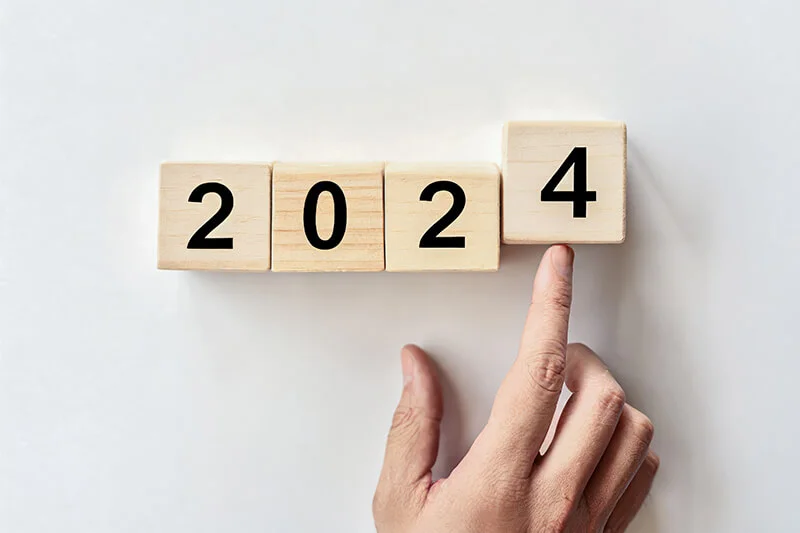
Why New Year’s Resolutions Matter
Losing weight is one of the most common New Year’s goals, and the start of a new year offers the perfect moment to make meaningful lifestyle changes. Many people feel motivated at this time, and with the right strategy, resolutions can lead to long-term habits instead of short-lived attempts.
The Most Popular New Year’s Resolutions
Every year, people set similar goals: less stress, more time with loved ones, better fitness, healthier eating, reduced screen time, or drinking less alcohol. Weight loss is consistently among the top resolutions, alongside making more sustainable choices and limiting distractions like television or mobile phone use.
How to Achieve Your New Year’s Resolutions
Studies show that nearly half of all people achieve their resolutions after one year. It typically takes about 21 days for the body and mind to adapt to new routines, which means small, consistent steps matter more than perfection. The right mindset and strategy make your resolutions more achievable.
Tip 1: Set Positive Goals
Instead of focusing on what you want to avoid, phrase your goals in a positive and actionable way. For example, rather than saying, “I won’t eat chocolate,” say, “I’ll enjoy only one small piece.” Positive framing helps your brain stay motivated rather than feeling restricted.
Tip 2: Make Your Goals Measurable
Vague goals—like “doing more exercise”—make progress difficult to track. Instead, set clear and measurable targets such as: “I will exercise four times a week for 30 minutes,” or “I will lose two kilograms in two months.” Realistic goals prevent frustration and help build momentum.
Tip 3: Visualise Your Success
Mental imagery strengthens motivation. Close your eyes and picture yourself feeling confident in your favourite clothes or moving more comfortably. Connecting your goal to a positive emotional outcome reinforces your commitment and keeps you focused.
Tip 4: Expect and Plan for Setbacks
Setbacks are a normal part of change. Instead of thinking, “I failed,” ask yourself, “What made it difficult today?” Understanding obstacles helps you adjust your plan and try again. Progress takes time, space, and patience, so treat setbacks as learning moments—not reasons to give up.
Tip 5: Keep It Enjoyable
Goals should bring joy, not pressure. If your aim is to exercise more, choose an activity you genuinely enjoy. Fun increases consistency, and celebrating small successes keeps motivation high over the long term.
Tip 6: Seek Support
Support makes resolutions easier to maintain. Find a training partner or join a group with similar goals. Sharing challenges and celebrating achievements together can increase accountability and provide valuable encouragement.


