

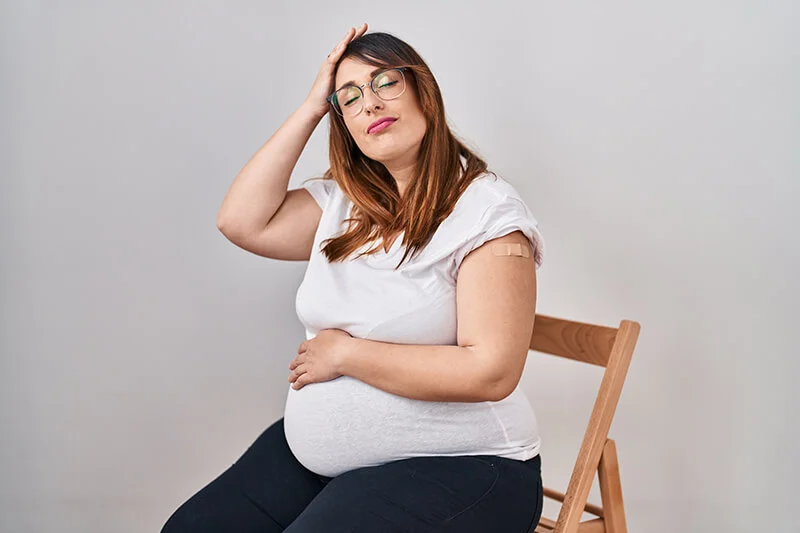
Why Obesity Matters Before Pregnancy
Obesity is defined as severe excess weight, beginning at a BMI of 30 and classified into three stages. All forms of obesity increase the risk of conditions such as high blood pressure, diabetes, breathing difficulties, cardiovascular disease, and joint problems.
For women who want to have children, these risks also affect fertility, the course of pregnancy, and the health of the baby.
Because of these concerns, women with severe obesity are strongly advised to lose a significant amount of weight before becoming pregnant — ideally returning to a healthy range. Dieting during pregnancy, however, is unsafe and can harm the unborn child.
Risks at the Beginning of Pregnancy
Pregnant women with obesity need close and consistent medical monitoring throughout pregnancy. This is the only way to detect and manage obesity-related complications early.
Routine ultrasound scans are often less reliable because the signals cannot penetrate deeply enough through excess abdominal tissue. As a result, certain fetal abnormalities may be detected later or missed entirely.
Another effect is reduced perception of the baby’s early movements. Women of normal weight typically feel movements around the 18th week, while women with obesity often feel them only after the 24th week.
Pregnancy also becomes noticeable to others much later. Normal-weight women develop a compact, clearly defined baby bump, whereas babies of women with obesity have more space within the already enlarged abdomen. This means pregnancy can remain unnoticed for longer.
Other Pregnancy-Related Risks
Women with obesity already face higher health risks, and pregnancy amplifies many of them. The risk of gestational diabetes is significantly increased due to pre-existing insulin resistance. A glucose tolerance test at around 24 weeks helps detect this early.
They also require frequent monitoring of blood sugar, blood pressure, and fetal development. High blood pressure can lead to preeclampsia or eclampsia, conditions marked by protein in the urine and, in severe cases, dangerous seizures.
Risks During Birth
Statistics show that pregnant women with obesity have a higher likelihood of premature birth or miscarriage. There is also an increased chance of needing a caesarean section or medically induced labour.
A higher BMI raises the risk of abnormal fetal heart rate patterns shortly before delivery. It can also increase the likelihood of a mismatch between the baby’s head size and the mother’s birth canal. Overall, the risk of complications during birth is significantly elevated.
Long-Term Impact on the Child
Even when a baby is born healthy, the mother’s obesity can have long-term consequences. According to British research, children of mothers with obesity have a much higher risk of developing cardiovascular disease later in life.
These children are also more likely to become severely overweight themselves and face the same associated health risks.
Prevention and What Mothers Can Do
Women with severe obesity who are pregnant or planning pregnancy should pay close attention to nutrition alongside regular medical monitoring. The common belief that pregnant women should “eat for two” is incorrect.
Instead, the focus should be on a balanced, nutrient-rich diet with plenty of vitamins, minerals, and fibre — not on increasing calorie intake unnecessarily.


