

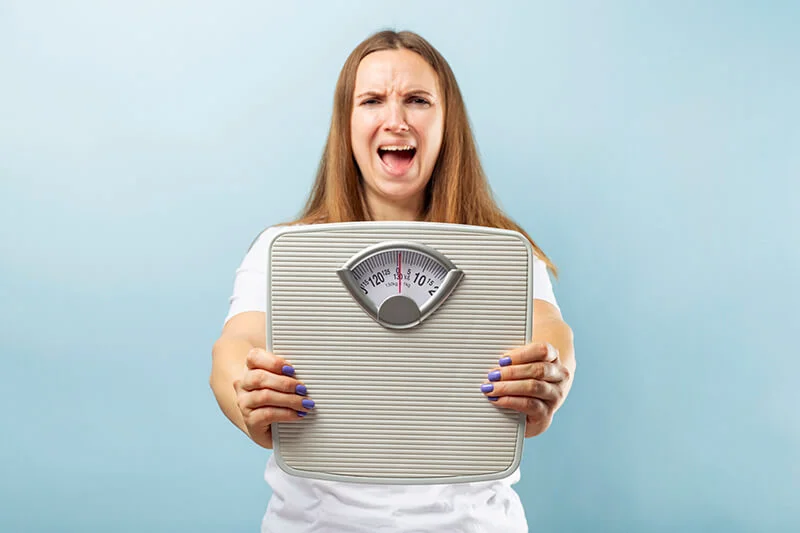
Why Quick Fix Diets Rarely Work
Many people try to lose weight quickly—whether for health reasons or simply to fit into their favourite clothes again. But most rapid weight loss diets fail because they chase an unrealistic beauty ideal and do not support real, long-term change. Fast results may feel motivating at first, but they rarely last. So how can you lose weight in a way that is both effective and sustainable?
Why Rapid Diets Often Backfire
Quick-fix diets fail for several reasons. First, they work against your biology. The body is genetically designed to store fat during periods of scarcity. When you drastically cut calories, your metabolism slows down to save energy—what many call “survival mode.” Even after the diet ends, your metabolism stays low, meaning you store more fat even with normal portions. This leads to the well-known yo-yo effect.
Secondly, restrictive diets are boring and difficult to maintain. When too many foods are banned or meals taste bland, cravings and loss of motivation follow—especially during stressful periods. Extremely strict diets can also cause muscle loss, which reduces your daily calorie burn and makes weight regain even easier. Unrealistic expectations make the situation worse: long-term success does not come from losing as much weight as possible, as fast as possible. Experts recommend losing 5–10% of your body weight over 6–12 months.
Lastly, standard “one-size-fits-all” diets ignore your personal needs. They often fail to consider food preferences, intolerances, lifestyle, or medical conditions, which can lead to nutrient deficiencies and frustration.
Diet vs. Long-Term Nutrition Change
A diet is a temporary plan focused on quick weight loss. It often restricts certain foods or relies on strict calorie counting. While diets can lead to short-term results, they are not sustainable and almost always end in weight regain. When a diet ends, metabolism remains low, so returning to normal calories causes the weight to come back—sometimes even higher.
A nutrition change, on the other hand, focuses on building lasting habits. It includes a wide variety of foods from all major food groups and aims to supply the body with all necessary nutrients. The goal is to create eating patterns that support long-term health rather than chasing fast, temporary results.
How to Lose Weight Effectively and Keep It Off
Successful long-term weight loss depends on many factors, but one thing is essential: patience. Rapid weight loss puts too much strain on the body and is rarely maintained. Slow, steady progress helps protect your metabolism and makes it easier to maintain your new weight.
The most effective approach includes a personalised meal plan, long-term adjustments to your eating habits, and consistent lifestyle changes. Regular physical activity plays a crucial role as well. Endurance activities such as Nordic walking, swimming, and cycling support steady fat loss. Strength training boosts muscle mass, which increases calorie burn and improves overall metabolism.


