

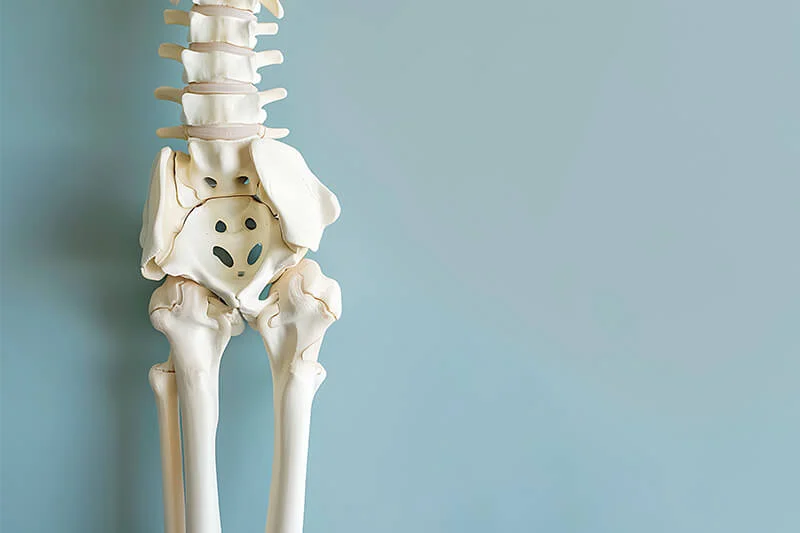
Carrying too much body weight does not only affect the cardiovascular system, it also places significant pressure on the joints, especially in the lower body. The hips, knees and feet are designed to support the entire weight of the body, and constant overload can gradually lead to orthopaedic problems that limit mobility and reduce quality of life.
One of the most common consequences is osteoarthritis in the hips and knees. This condition develops slowly as the protective cartilage between the bones wears down. Without this shock-absorbing layer, bones begin to rub directly against each other, causing pain, stiffness and restricted movement. Being obese makes this far more likely, as it raises the risk of knee osteoarthritis around four times compared with a healthy weight.
Why the knee joint is especially vulnerable
The knee joint connects the thigh bone and shin bone, with both bone ends covered by smooth, protective cartilage. This cartilage absorbs impact and prevents the bones from grinding together.
In people with obesity, the increased pressure makes it harder for the cartilage to do its job. Over time, the cartilage becomes damaged or breaks down completely. When cartilage can no longer cushion movement, every step can cause pain, which is a hallmark of knee osteoarthritis.
Movement helps more than rest
When joints hurt, many people instinctively want to rest them. But with osteoarthritis, the opposite is usually more helpful.
Regular, joint-friendly movement improves blood flow to the cartilage, supports mobility and reduces pain. Activities such as swimming, cycling and walking are excellent, because they strengthen the muscles without overloading the joints.
Why weight loss makes such a difference
Even a small amount of weight loss can significantly reduce the pressure on your joints. Every pound you lose takes around four pounds of load off your knees, so losing weight can slow the progression of osteoarthritis and ease symptoms. Research suggests that losing around 10% of your body weight can noticeably improve joint pain and function.
Combining exercise with a balanced, nutritious diet is the most effective way to protect your joints and support long-term mobility.
Protecting and strengthening your joints
Orthopaedic problems caused by obesity do not have to mark the end of your active life. With steady weight loss, regular joint-friendly exercise and the right treatment plan, you can significantly reduce pain and slow joint wear. The right approach protects your joints and helps you regain comfort and confidence in everyday movement.


