

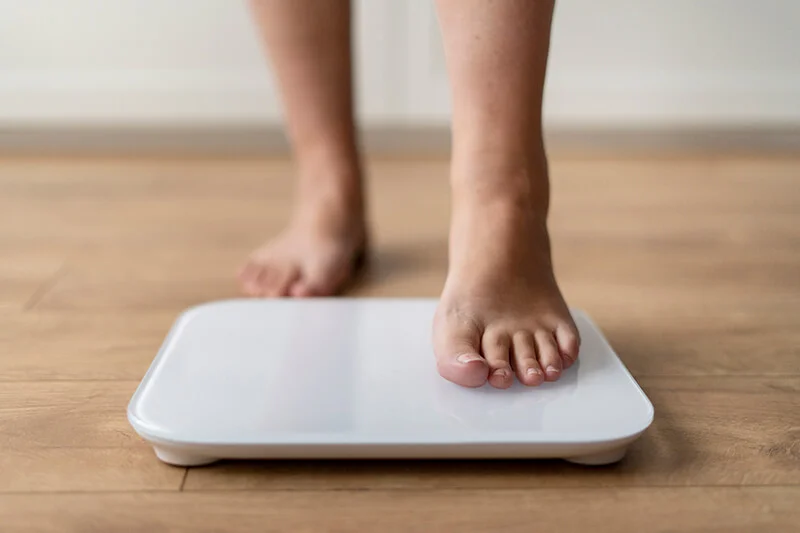
Carrying excess weight raises the risk of type 2 diabetes considerably. People living with obesity are more likely to develop problems with their metabolism, because the body finds it harder to keep blood sugar under control. Understanding this link can help you spot the warning signs earlier and lower your long-term health risks.
What is diabetes?
Diabetes develops when the body can no longer keep blood glucose at the right level. Normally, the pancreas makes enough insulin to keep blood sugar steady. In diabetes, the body either makes too little insulin or cannot use it properly. Over time, high blood sugar can damage important organs such as the heart, kidneys and eyes. There are two main types:
- Type 1 diabetes is an autoimmune condition that usually begins in childhood or the teenage years. The pancreas makes little or no insulin, so lifelong insulin treatment is needed.
- Type 2 diabetes is far more common and is often linked to lifestyle factors such as diet, inactivity and obesity.
Warning signs you should know
The symptoms of diabetes are often mild and easy to miss. Common signs include feeling very thirsty, needing to pass urine often, tiredness and dry skin. Some people also notice nausea, dizziness, repeated infections or cuts and wounds that are slow to heal. If you notice any of these changes, see your GP so they can arrange the right tests.
How obesity leads to type 2 diabetes
Obesity is one of the strongest risk factors for insulin resistance, which is the root cause of type 2 diabetes. Extra fatty tissue can set off a low level of ongoing inflammation, which gets in the way of insulin doing its job of controlling blood sugar. To make up for this, the pancreas has to produce more insulin. Over time, these insulin-making cells become worn out, and blood sugar stays high.
Why abdominal fat plays a key role
Fat stored around the middle releases substances that make it harder for the body to process sugar. This adds to insulin resistance and makes it more difficult to move glucose out of the blood and into the cells. A poor diet and too little activity put further strain on how the body and the liver handle fat, which pushes blood sugar higher still.
Obesity and diabetes: a risky combination
Diabetes rarely comes on its own. Many people living with obesity also have high blood pressure and unhealthy cholesterol levels. Together, these can damage blood vessels, reduce circulation and raise the risk of heart disease, heart rhythm problems and heart attacks. Keeping an eye on blood pressure, cholesterol and blood sugar is important to head off longer-term complications.
Treatment options for type 2 diabetes
Treatment usually starts with losing weight, eating more healthily and being more active. Some people also need tablets, insulin or a combination of the two. Structured education programmes can help you learn to manage the condition day to day. There is good news here too: losing weight can lower the risk and, in people who already have type 2 diabetes, can sometimes put it into remission, particularly soon after diagnosis, though this does not happen for everyone.


